Manufacturer
TON coffee house chairs. How the wood was bent

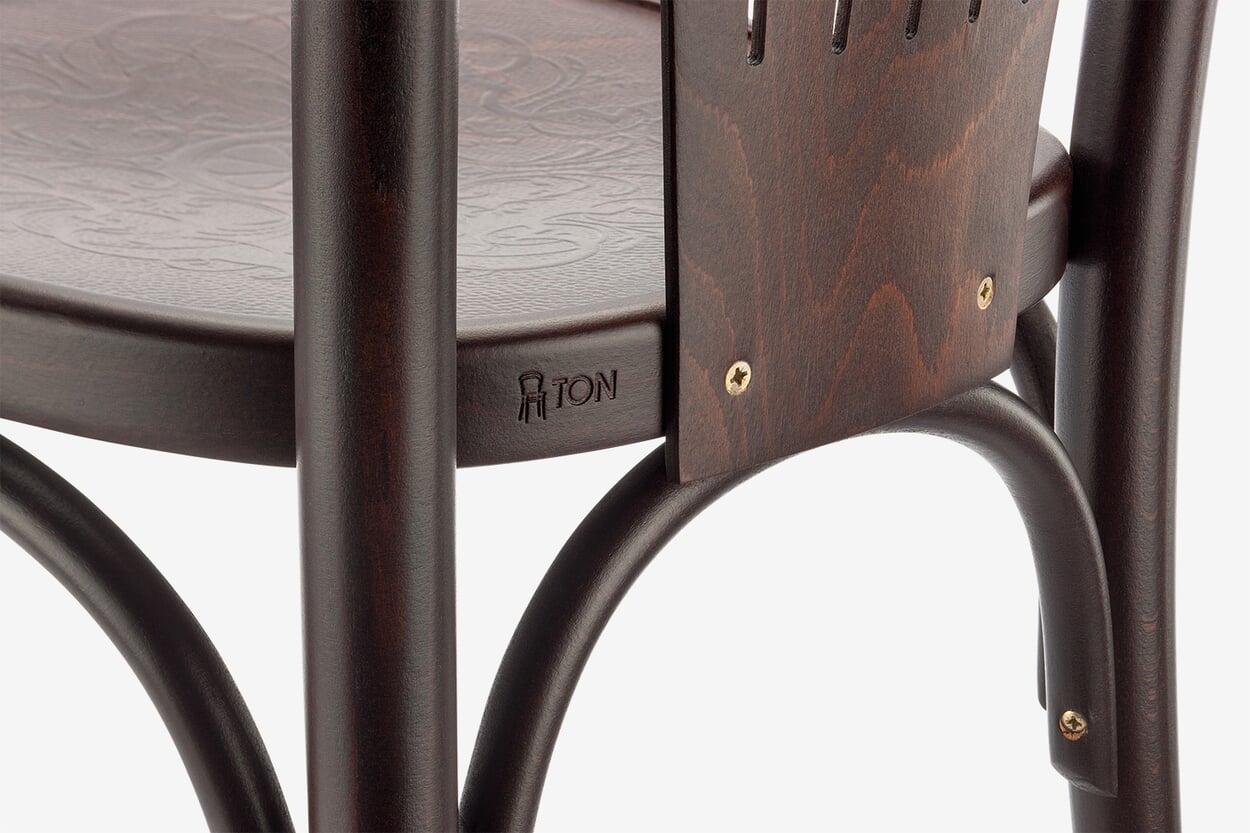
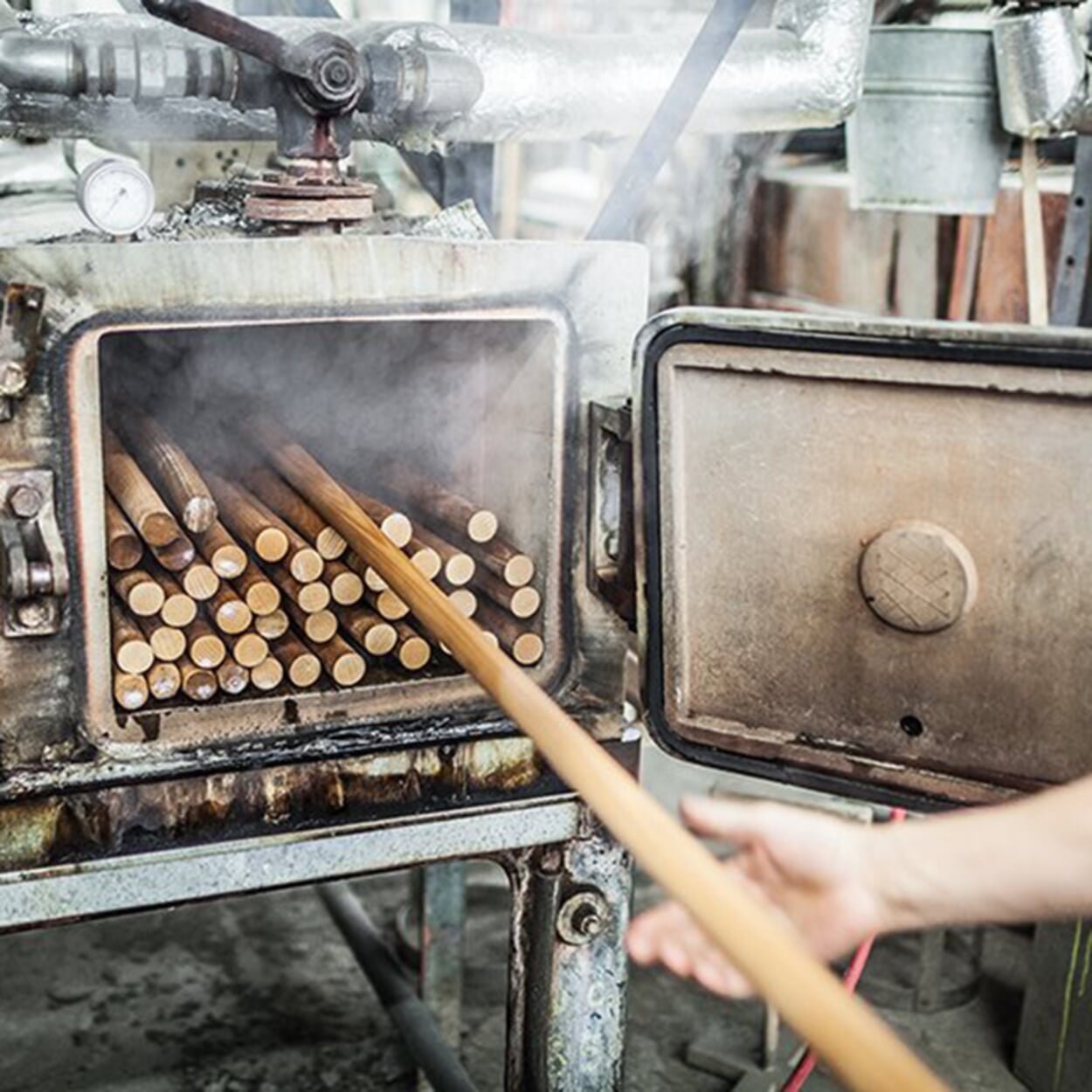
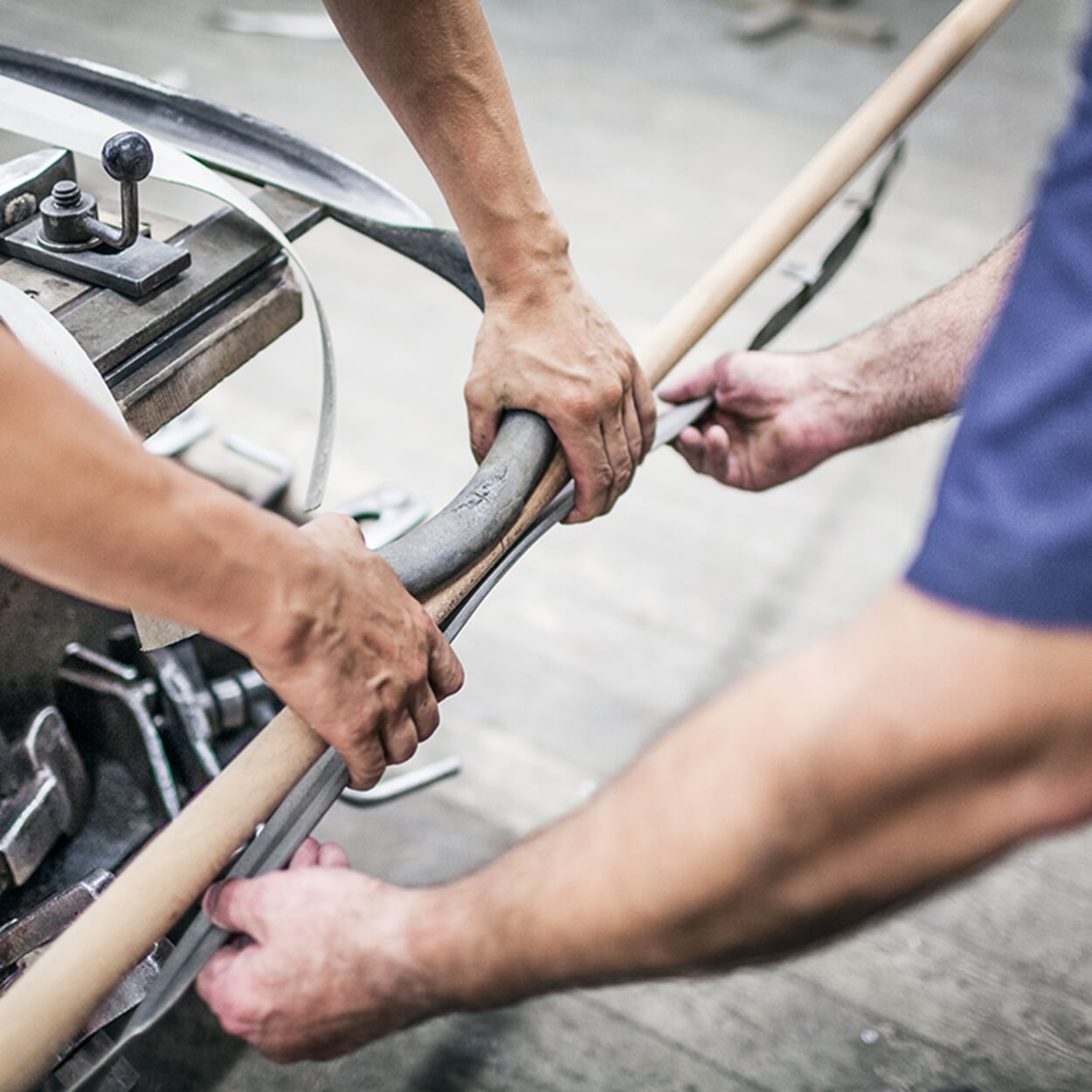
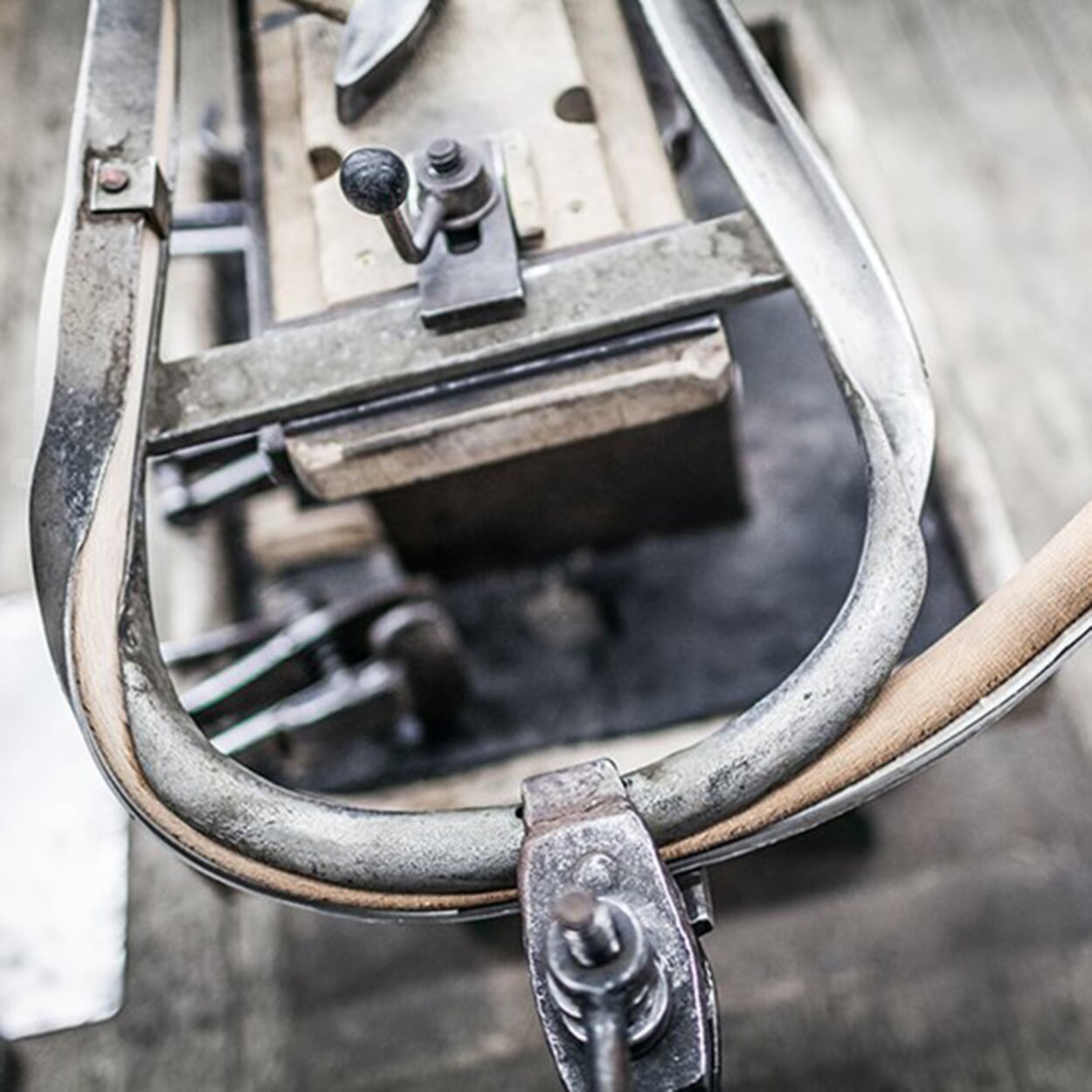
Revolutions in furniture making are a rather rare thing. The perfection of the bentwood chair by Michael Thonet (1796-1871) was such a revolutionary act - in three respects. From a technical point of view, the revolution had been in the offing since about 1830. Thonet experimented with methods of making wood bendable under the effect of steam and glue water. He improved them step by step; in 1852, after several attempts, he finally obtained a patent that protected his method of "giving wood any bend and shape in various directions by cutting it up and gluing it back together." "Any bend" - this formulation hints at the second revolution. With the help of bentwood technology, it was also possible to break new ground in design; simple semi-circular arches as backrests, round-shaped yet solid-wood combinations of chair backs and backrests, or even curved chair leg reinforcements were innovations not only in terms of technology, but also in terms of design. Thirdly, bentwood furniture marked an economic revolution. They were not only suitable for production on an industrial scale, they virtually required it. And so, even during Thonet's lifetime, the idea of bentwood furniture led to an industry of its own. His sons and successors mass-produced bentwood chairs and founded numerous manufacturing plants, primarily in the Eastern European region, which at the time belonged to imperial and royal Austria. One of these factories was established in 1861 in the Moravian town of Bystritz am Hostein, now Bystřice pod Hostýnem in the Czech Republic. After a varied history, it still operates today as an independent joint stock company under the name TON ( továrny na ohýbaný nábytek, in German "factory for bentwood furniture"): Bystritz is the oldest place in the world where furniture is made by bending wood by hand.



"Consumer Furniture.
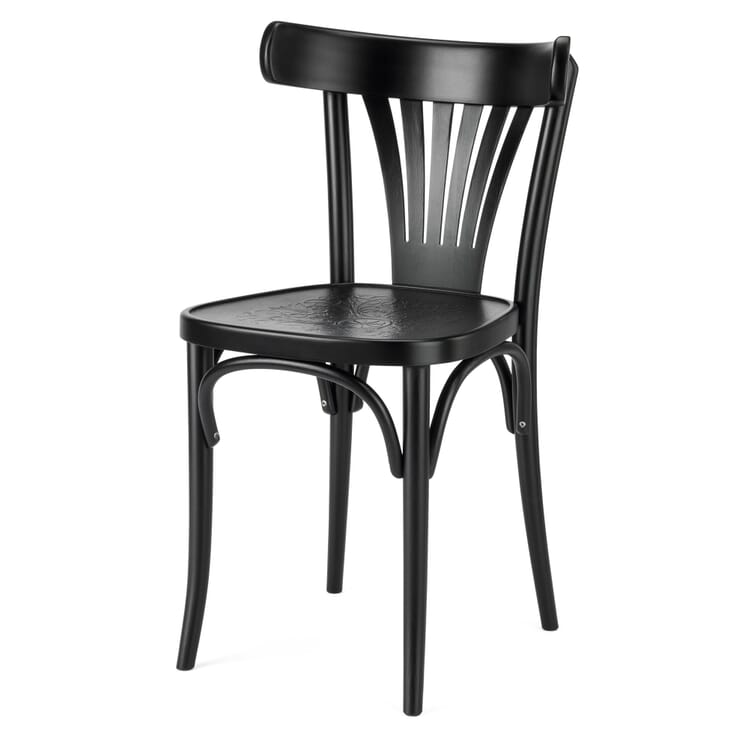
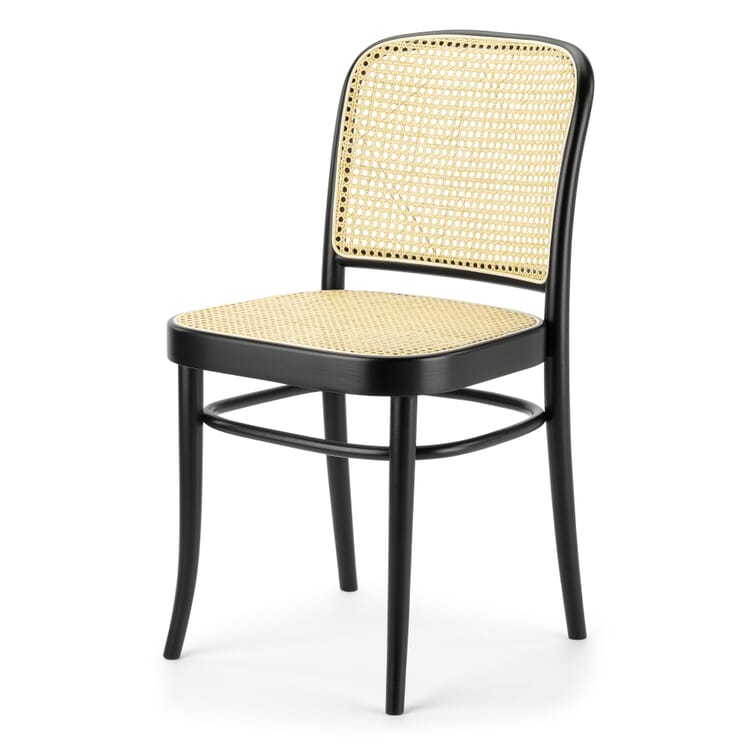
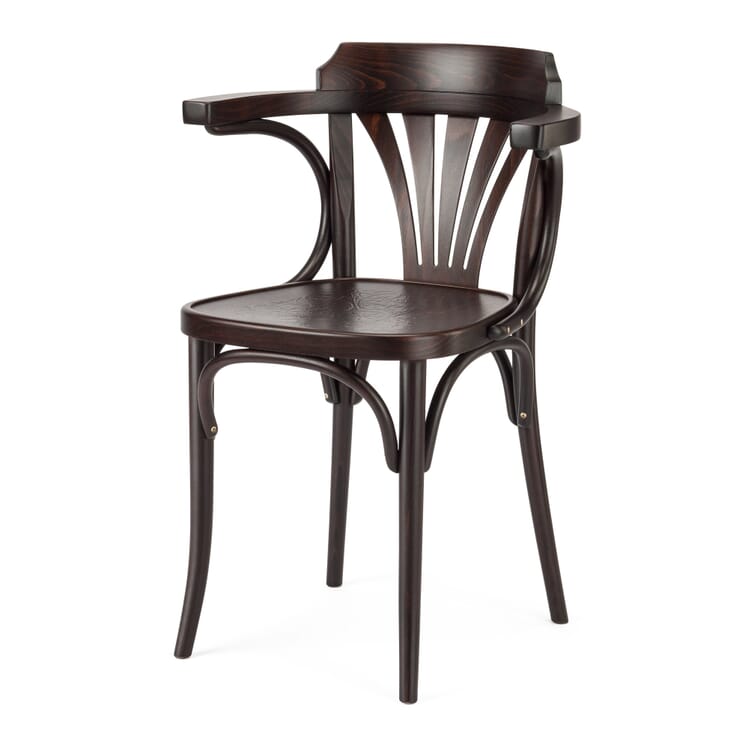
The range of bentwood furniture that TON manufactures is wide - and year after year they are represented at the usual furniture fairs with novelties. In addition, the company produces a number of chairs that date back to the early designs of the Wilhelminian period and are considered classics today. First and foremost, however, even the later famous models were mass-produced items in their day (in the 19th century they spoke of "consumer furniture"). This was the only reason why they could become the typical coffee house chairs of an entire era. Chairs such as model No. 14 below with its curved backrest made of two bentwood arches - the coffee house chair par excellence - or the armrest chair No. 24 with its "palmette" backrest certainly met the taste of the time in terms of design. However, they owe their widespread popularity to their light weight, their indestructibility, their seating comfort and the fact that they were inexpensive as a result of industrial mass production - characteristics that distinguish them even today, above and beyond all design issues.



Recommended Topics

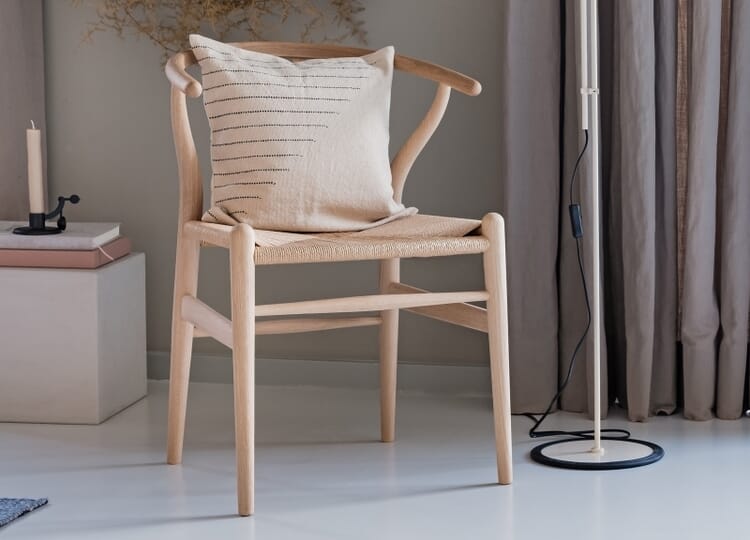
For more than 70 years, the CH24 has been regarded as an outstanding example of the skilful combination of simplicity, comfort and stability and is probably the best-known work of the designer Hans J. Wegner, who also became famous as the "Master of Chairs". The co-founder of Danish Modernism, along with design greats such as Arne Jacobsen or Verner Panton, is probably one of the most famous and outstanding furniture designers in the world.
View more
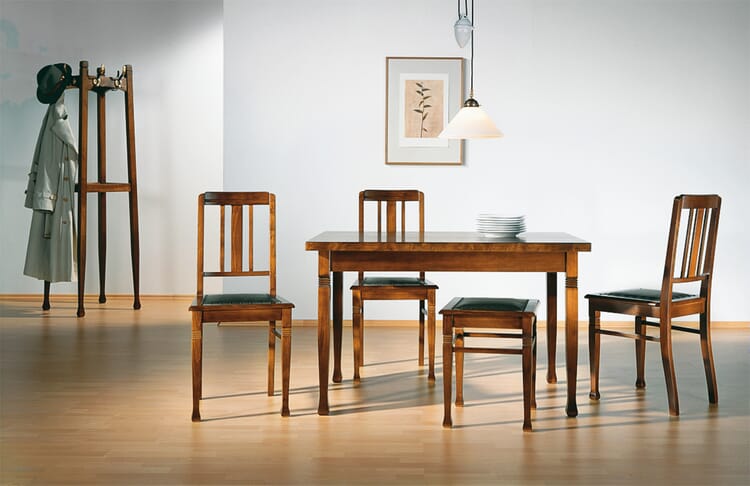
The chairmaking tradition of Rabenau is almost 400 years old. The many special skills of the Rabenau chairmakers that have grown up during this time have survived industrialization, and they have survived national ownership and the Federal Republic's vocational training ordinance unscathed. What the Rabenau chairmakers can do, they show especially in the faithful reproduction of historical chair models.
View more